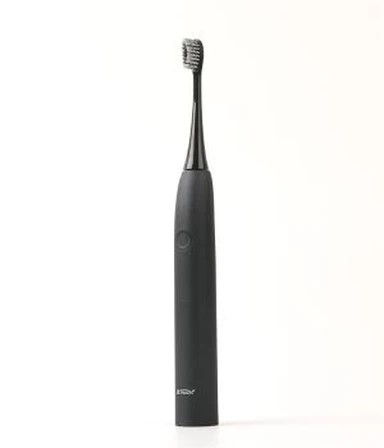
Manual Or Electric?
Jun 17, 2025
The biggest decision you used to make when buying a toothbrush was soft, medium, or hard bristles. Now there are dozens of types of brushes, from simple to pricier electric versions.
Are power brushes worth the extra cash?
Manual vs. Electric
Regular toothbrushes get the job done when you use them the right way, says Kimberly Harms, DDS, a spokeswoman for the American Dental Association. The problem is many of us don't use them for the recommended 2 minutes, or get to every tooth.
That's when a little extra power may come in handy.
An electric one can cover a larger area faster, so you clean more surfaces in the same amount of time. When you brush by hand, you make about 300 strokes per minute. Compare that with the thousands -- in some cases tens of thousands -- of strokes per minute a power one makes.
Pros
Power toothbrushes are better at cleaning your teeth than manual ones. One recent study showed people who used them had less plaque and gum disease.
"Electric toothbrushes are helpful for certain people, such as those who have trouble using their hands," says Eugene Antenucci, DDS, a clinical assistant professor at New York University College of Dentistry.
Other people they can help include:
Children: Kids may think that electric ones are more fun and easier to use.
People with braces: These brushes can clean in and around the metal parts.
Lazy brushers: If your dentist thinks you're not removing enough plaque with a manual toothbrush, they may suggest an electronic one.
"At the end of the day, how you use that toothbrush is more important than the toothbrush itself,". "Make sure you're brushing with soft bristles and a fluoride toothpaste for 2 minutes, twice a day."